

Clear Signs That Relocating a Structure Makes More Sense Than Demolishing It
Structural Moving is the right solution when a building is worth saving but cannot stay where it is. This may happen due to road projects, flood risk, foundation failure, or property changes. Instead of tearing the structure down, you relocate it safely to a new spot. In many cases, this protects your investment and preserves history while solving a serious site problem.
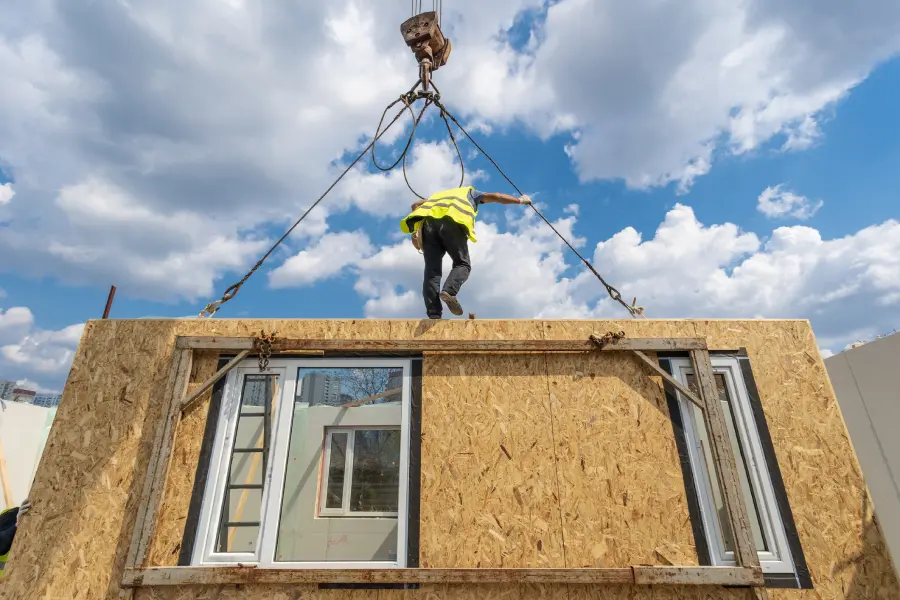
Quick Decision Answer
Choose structural moving when the building is solid, valuable, or historic, and the land situation is the real issue. If the structure itself is unsafe beyond repair, demolition may make more sense. The key question is simple: Is the building worth saving?
If the answer is yes, moving it can cost less than rebuilding from scratch. It also keeps original materials and craftsmanship that are hard to replace today.
Structural Moving Vs. Demolition and Rebuilding
When deciding, most property owners compare two main options:
- Option A: Structural Moving – Lift the building and relocate it.
- Option B: Demolition and Rebuild – Tear it down and start over.
Structural moving works best when:
- The frame is structurally sound.
- The building has historic or sentimental value.
- Zoning allows relocation.
- Land improvements make the current spot unusable.
Demolition and rebuilding may be better when:
- The structure has major rot or fire damage.
- Building codes require full redesign.
- The layout no longer fits modern needs.
Each option has benefits. The right choice depends on condition, budget, and long-term plans.
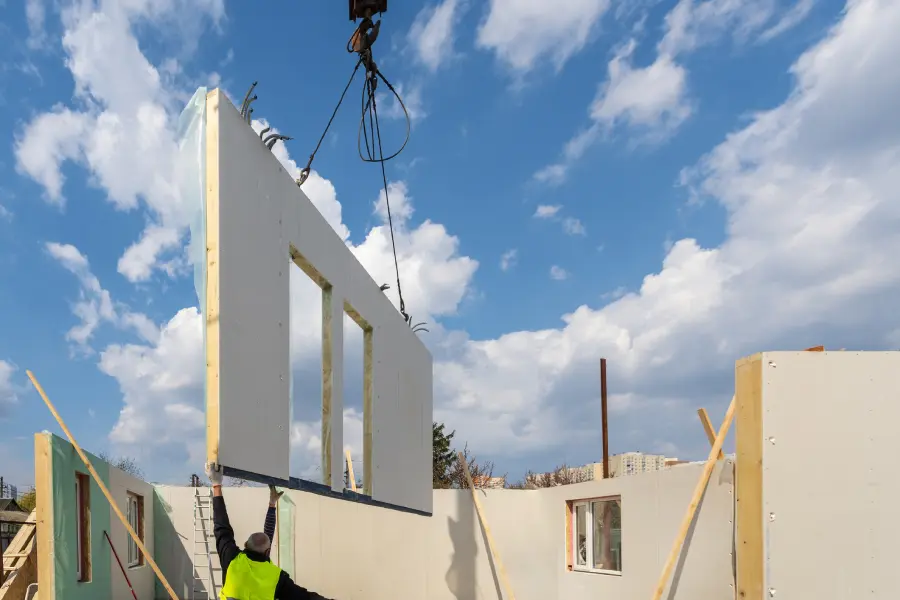
Pros and Cons of Structural Moving
Pros:
- Keeps the original building intact.
- May cost less than full reconstruction.
- Protects historic value.
- Reduces waste going to landfills.
Cons:
- Requires permits and planning.
- Not all buildings qualify.
- Site preparation adds cost.
Structural moving is a specialized service. It involves lifting the building with hydraulic jacks, placing it on beams, and transporting it to a prepared foundation. This is not a simple house move. It takes careful planning and skilled crews.
Best Fit by Situation
Here are common scenarios where structural moving makes strong financial and practical sense:
Flood Zone Problems
If flood maps change and your building now sits in a high-risk area, relocation can lower insurance costs and improve safety.
Road Expansion or City Projects
When a road widening project affects your lot, moving the structure back on the property may save it.
Foundation Failure
If the foundation has failed but the structure is solid, lifting the building allows crews to pour a new foundation underneath.
Historic Preservation
Older homes and commercial buildings often contain materials and details that are costly to recreate. Moving them protects that value.
In these cases, tearing the building down would waste both money and history.
Mistakes People Make When Choosing
Many owners rush into demolition without asking if the structure can be saved. That can be a costly mistake.
Other common errors include:
- Not checking local zoning laws first.
- Ignoring soil conditions at the new site.
- Underestimating permit timelines.
- Hiring movers without specialized experience.
Structural moving requires planning with engineers, local officials, and utility providers. Skipping these steps leads to delays and added expense.
Final Decision Checklist
Use this simple checklist to guide your choice:
- Is the building structurally sound?
- Does it have historic or financial value worth preserving?
- Can zoning and permits support relocation?
- Is the new site properly prepared?
- Have you compared move costs to rebuild costs?
If you answer yes to most of these, structural moving may be the right path.
Talk With an Experienced Structural Moving Team
If you are planning a project in Raymond, MN, we can help you decide if moving your building is the right solution. At Marcus Building Movers - Structural Moving / Marcus House & Structural Moving, we handle structural moving projects with careful planning and skilled crews. Call (320) 207-2683 to speak with us about your goals, timeline, and property so we can guide you through your options and next steps.