
How Large and Heavy Buildings Are Safely Relocated From One Site to Another
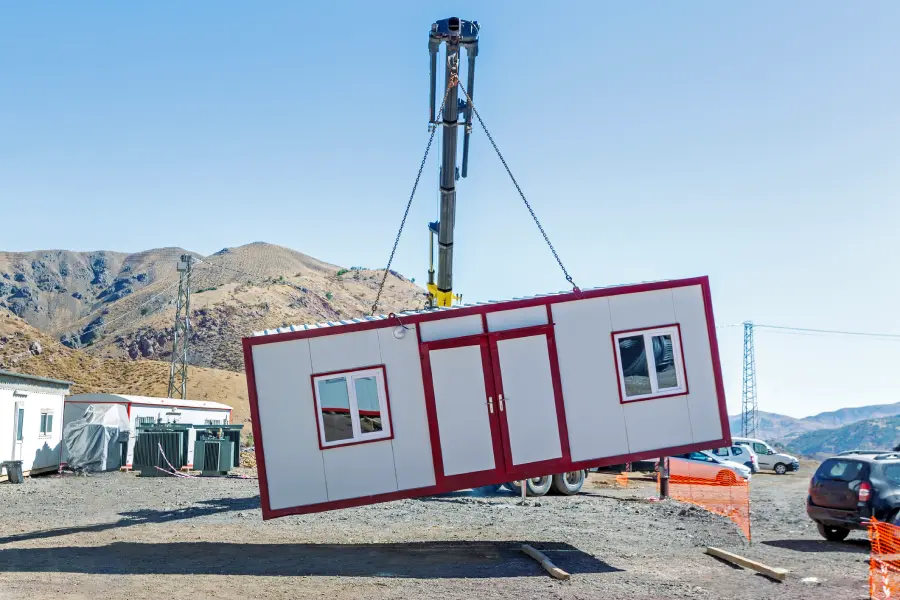
Structural Moving uses special tools and step-by-step planning to lift, support, and relocate large buildings without tearing them down. Crews raise the structure off its foundation, place it on steel beams and dollies, and slowly transport it to a new site. For very heavy buildings, hydraulic jacks and unified lifting systems keep everything stable and level during the move.
What You Need Before Starting
Moving a large building is not just about strength. It takes engineering, permits, and detailed planning. Before any structural moving project begins, several things must be in place.
- A structural assessment to check the building’s condition
- Engineered lift plans with load calculations
- City and state permits for transport
- Utility disconnection and reconnection plans
- A prepared new foundation at the destination site
The building must be strong enough to handle lifting. Older buildings may need added supports inside before work begins. Engineers often inspect the framing, walls, and foundation to reduce the risk of cracking or shifting.
Step-by-Step Process for Moving Large Buildings
While every project is different, most large building relocations follow a clear process.
- Site Preparation: Crews clear space around the building. They remove steps, decks, and landscaping that block access.
- Foundation Separation: Workers cut the structure free from its existing foundation. This is done carefully to avoid wall damage.
- Steel Beam Installation: Heavy-duty steel beams are inserted under the structure. These beams carry the building’s weight.
- Hydraulic Lifting: Hydraulic jacks raise the building slowly and evenly. Unified lifting systems keep the structure level.
- Dolly and Roller Placement: Specialized dollies or rolling systems are placed under the beams to allow movement.
- Transport: The building is moved very slowly to its new location. In tight spaces, remote-controlled dollies help steer.
- Setting on New Foundation: Once in position, the structure is lowered onto a prepared foundation and secured.
For extremely heavy buildings like brick structures or commercial properties, lift systems are synchronized by computer controls. This reduces uneven pressure and helps prevent cracks.
Common Structural Moving Methods Used
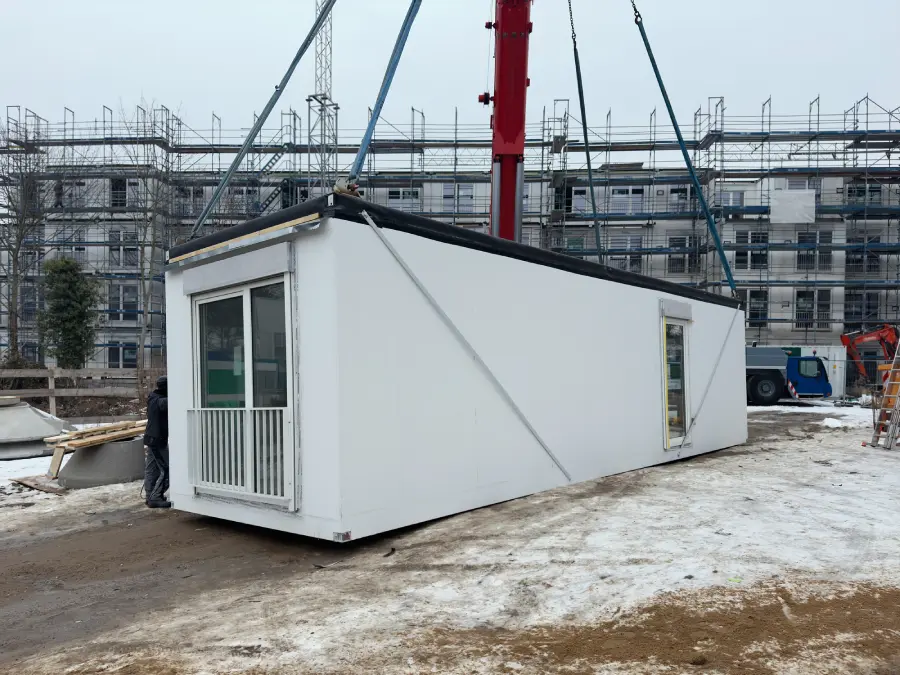
Different buildings require different moving methods. The size, weight, and materials all matter.
- Beam and Dolly System: The most common approach. Steel beams support the building while dollies handle movement.
- Hydraulic Unified Jacking System: Used for very heavy or delicate structures. All jacks lift at the same time.
- Rail or Track Systems: Temporary tracks are built when the move path is straight and controlled.
- Barge Transport: For waterfront properties or long distances, buildings may be loaded onto a barge.
The chosen method depends on weight, travel distance, road access, and ground stability.
Common Mistakes to Avoid
Large building relocation leaves little room for error. Some mistakes can cause serious structural damage.
- Skipping soil testing at the new site
- Failing to brace interior walls before lifting
- Moving too quickly during transport
- Not accounting for overhead obstacles like power lines
- Underestimating total building weight
Even small shifts in weight distribution can lead to cracks in drywall or masonry. Careful planning and steady lifting help avoid these problems.
When to Call a Professional
Large and heavy buildings should always be moved by experienced structural moving professionals. This is not a DIY project. If your building is made of brick, stone, or concrete, it requires advanced lifting systems. Commercial buildings also need added planning due to size and weight.
You should also call experts if:
- The building has multiple stories
- The move involves crossing public roads
- The structure shows signs of foundation damage
- You need engineering plans for permits
Professional teams use engineered equipment designed for heavy loads. They also carry proper insurance and follow local building codes.
Get Expert Help for Your Building Relocation
If you are planning a building move in Raymond, MN, it helps to work with an experienced team that handles large and heavy structures safely. At Marcus Building Movers - Structural Moving / Marcus House & Structural Moving, we use proven structural moving methods and modern hydraulic systems to protect your property from start to finish. We plan each step carefully and keep communication clear during the entire project. Call us at (320) 207-2683 to schedule a consultation and learn how we can help relocate your building with care and precision.